
"coffee market Nepal"
300 article(s) found

Flavor and taste of Indonesian Kopi Luwak civet coffee characteristics of manor production area introduction of civet boutique coffee
Civet Coffee (Kopi Luwak), native to Indonesia. It is one of the most expensive coffee in the world, with a price of several hundred dollars per pound. It is extracted from the feces of the civet and processed. The civet eats the ripe coffee fruit and is excreted through the digestive system. After it is fermented through the stomach, the coffee produced has a special taste and has become a grab in the international market.

The reason why Kopi Luwak has become a luxury coffee drink
Following Cafe (official Wechat account vdailycom) found that Beautiful Cafe opened a small shop of its own. This coffee comes from the excrement of an animal called civet (commonly known as civet in Indonesia). Although it comes from smelly poop, it only feels sweet in the mouth and has a burst of indescribable sweetness. This wild musk cat likes to eat fat, pulpy coffee fruit.
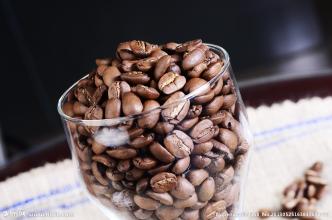
Introduction to the varieties of grinding scale in the production area of Nicaraguan coffee beans with mild taste
Nicaragua is one of the major coffee-producing countries, producing high-quality coffee. Even coffee from the Antigua Mountains of Guatemala, which is famous in Asia, imports raw beans from Nicaragua. Although Nicaraguan coffee is not famous in Asia, Nicaragua coffee is already famous all over the world (Starbucks has many cooperative coffee farmers in Nepal), while several coffee-producing countries in Central America

Description of Coffee Flavor of moderate acidity Lemon Manor in Nicaragua
In many countries, coffee production will be seriously affected for political reasons. Nicaraguan coffee industry is no exception. The 1979 revolution forced coffee planters to flee to Miami. A period of indecision followed, when the government considered whether to redistribute land (including many plantations), which led to a shortage of coffee and a decline in production since the early 1970s

Introduction of coffee flavor and taste varieties of Blue Mountain Coffee in Jamaica
In the mid-1970s, the Governor of Jamaica, Sir Nicholas Lloyd (Nicholas Lawes), imported Arabica seeds from Martinique and began to plant them in St. Andrew. To this day, St. Andrews is still one of the three major producing areas of Jamaican Blue Mountain Coffee, with the other two producing areas: Portland (Por).

Matagalpa producing area of Nicaraguan coffee with moderate acidity and delicious aroma
Coffee is Nicaragua's main export. According to the president of the Nicaraguan Coffee Farmers' Federation, due to the poor harvest of coffee in Nicaragua's Pacific region, the country's total coffee production in 1998 may be 12% lower than that in 1997. In the coffee year of 1997 and 1998, Nicaragua harvested 1.422 million bags of coffee (each bag of 46kg), which has been producing 1% of coffee in the past 14 years.

What's the difference between Yunnan cat shit coffee beans and Indonesian musk cat coffee beans?
Communication of professional baristas Please pay attention to the characteristics of Vietnamese Coffee in Coffee Workshop (Wechat official account cafe_style) No matter what kind of Vietnamese coffee it is, it has a toughness different from Eurasian bourgeois coffee culture, and this toughness comes from its constant mixed race. Since the beginning with France, Vietnamese coffee has continued to mix, even now.

The bitter taste of Nicaraguan coffee the characteristics of the manor producing area introduce Nicaraguan boutique coffee
High-quality Nicaraguan coffee, grown in the north and middle of the country. Coffee is a pillar industry in Nicaragua, producing nearly 100,000 tons of coffee beans every year. Many people who have tasted Nicaraguan coffee usually think that it is no different from Salvadoran coffee or Honduran coffee. It is full-bodied, smooth and delicate, with a slightly bitter finish, like a faint taste in a wine. In

Description of Coffee Flavor of Musk Coffee characteristics of Grinding degree introduction of Fine Coffee beans in producing areas
It is said that coffee farmers in early Indonesia regarded civet cats that ate ripe coffee fruits as mortal enemies, but at some point someone began to think of picking coffee beans from the civet droppings to make coffee with unique flavor. Coffee experts everywhere have tried and were amazed. Since then, local farmers spend a lot of time collecting civet droppings in the forest every day during the coffee ripening season.

Introduction to boutique coffee with mild taste in Nicaraguan coffee manor
Coffee is Nicaragua's main export. According to the president of the Nicaraguan Coffee Farmers' Federation, due to the poor harvest of coffee in Nicaragua's Pacific region, the country's total coffee production in 1998 may be 12% lower than that in 1997. In the coffee year of 1997 and 1998, Nicaragua harvested 1.422 million bags of coffee (each bag of 46kg), which has been producing 1% of coffee in the past 14 years.

Nicaragua coffee with excellent balance and taste. Los Congo Manor Matagalpa Region Jane
In many countries coffee production is severely affected for political reasons. The coffee industry in Nicaragua is no exception. The revolution of 1979 forced coffee growers to flee to Miami. A period of uncertainty ensued as the government considered whether to reallocate land (including many plantations), resulting in coffee shortages and declining yields from the early 1970s.

The bitter Coffee Flavor of Nicaraguan Heavenly Manor Coffee Flavor and Taste production area
Nicaragua is located in central Central America, bordered by the Pacific Ocean to the west and the Caribbean Sea to the east. The highlands in the north and the coastal plains in the east are part of the Central American volcanic belt. The eastern plain is high-temperature and rainy, with a tropical maritime climate. The suitable climate provides an excellent growth environment for the cultivation of coffee. High-quality Nicaraguan coffee, grown in the north and middle of the country. Coffee is Ni.

Taste characteristics of coffee beans from Anjing Manor in Nicaragua
The taste characteristics of coffee beans in Anjing Manor of Nicaragua, the taste of the French production area introduces that Nicaragua is one of the main coffee producing countries, producing high quality coffee. Even coffee from the Antigua Mountains of Guatemala, which is famous in Asia, imports raw beans to Nicaragua. Nicaraguan coffee is not famous in Asia, but in fact, Nicaraguan coffee is already famous all over the world (Sta).

Nicaragua Maracadura Coffee Beans with Moderate Acidity Flavor Description Processing Method Grind Scale Variety
Nicaragua is one of the main coffee producing countries, producing coffee of high quality. Even the coffee of Guatemala's Antigua Mountains, which is famous in Asia, imports green beans to Nicaragua. Although Nicaragua coffee is not famous in Asia, in fact, Nicaragua coffee has been famous all over the world (Starbucks has many cooperative coffee farmers in Nicaragua), while several coffee producing countries in Central America,

Full-scented Nicaraguan Coffee Manor Tianqi Manor introduces Nicaraguan Coffee flavor
High-quality Nicaraguan coffee, grown in the north and middle of the country. Coffee is a pillar industry in Nicaragua, producing nearly 100,000 tons of coffee beans every year. Many people who have tasted Nicaraguan coffee usually think that it is no different from Salvadoran coffee or Honduran coffee. It is full-bodied, smooth and delicate, with a slightly bitter finish, like a faint taste in a wine. In

The 2018 Asian Coffee Annual meeting will be held in Mangshi, Yunnan Province in November to open a new era of Asian coffee.
Professional coffee knowledge exchange more coffee bean information please follow the coffee workshop (Wechat official account cafe_style) how competitive is Asian coffee in the world? How to promote the voice of Asian coffee in the world coffee pattern? On October 17, the reporter learned from the press conference of the 2018 Asian Coffee Annual meeting that the 2018 Asian Coffee Annual meeting with the theme of Asian Coffee in the New era will be held on November 11.

Nicaraguan coffee beans
Just when the boutique coffee market was booming in the United States in the 1980-90's, the US government imposed an embargo on the Sandinista regime in Nicaragua, so Nicaraguan coffee would not appear on the display shelves of American coffee shops. Because of this, the average American consumer is less familiar with Nicaraguan coffee, but even though the average consumer is very strange to Nicaraguan coffee.

Introduction to the Grinding Calibration Manor with the Regional treatment method for the Variety characteristics of Coffee beans in Nicaragua
Nicaraguan coffee variety characteristics regional treatment grinding scale manor Nicaraguan coffee with rich purity and fragrance asks that the right balance of acidity and bitterness is regarded as top grade in the eyes of international coffee experts. However, Nicaragua is one of the poorest and backward countries in the world, with backward production methods and management concepts, plus Latin America.

Nicaraguan coffee ranks first among coffee beans in the world.
Follow the caf é (Wechat official account vdailycom) and found that Nicaragua has opened a small shop of its own. Nicaragua is one of the main coffee producing countries, producing high-quality coffee. Even coffee from the Antigua Mountains of Guatemala, which is famous in Asia, imports raw beans from Nicaragua. Nicaraguan coffee is not well-known in Asia, but in fact, Nicaraguan coffee is already famous all over the world.

Nicaraguan Coffee Bean Flavor description method Grinding scale Variety Taste Manor
Coffee is Nicaragua's main export. According to the president of the Nicaraguan Coffee Farmers' Federation, due to the poor harvest of coffee in Nicaragua's Pacific region, the country's total coffee production in 1998 may be 12% lower than that in 1997. In the coffee year of 1997 and 1998, Nicaragua harvested 1.422 million bags of coffee (each bag of 46kg), which has been producing 1% of coffee in the past 14 years.